


Attracting a large audience requires active promotion. Yet many organizers are unsure which methods to use or where to start.
For organizers who want to fill every available place, this article covers:
- What online events are.
- Common challenges.
- Promotion ideas.
- Steps for attracting participants.
- Ways to improve results.
By the end, you will have ideas for building an audience and filling your event.
If you also need a tool to run your event efficiently, consider CommentScreen. It offers easy-to-set-up real-time communication and quiz features that help build excitement. Register for free through the link below to try it.
Why Demand for Online Events Is Growing

Demand for events delivered over the web has increased. Participants can join easily using a computer or smartphone, while dedicated tools make hosting straightforward.
Here is what online events can offer and why demand is growing.
Types of Online Events
Online formats can support:
- Consumer-facing events.
- Business-to-business events.
- Internal company events.
Examples include introducing consumers to a service or running a webinar for other companies. Any event built around screen-based interaction can benefit from the format.
Companies with branches across the country can use online tools to include everyone in training or presentation competitions.
Events can also be hybrid, combining people at a venue with online attendees rather than requiring everyone to join individually on a device. See:
What Is a Hybrid Event? Benefits and How to Get Started
Reasons for Growing Demand
Two major factors are:
- The spread of COVID-19.
- The move toward digital transformation.
From 2020, the pandemic increased demand for activities people could join from home. Consumers and businesses avoided face-to-face contact, creating a need for new communication methods.
Government-backed digital transformation has also encouraged companies to introduce online events. Webinars and events around games such as first-person shooters and fighting games can now be joined from locations across the country.
Common Challenges

Even with strong demand, inadequate preparation can cause operational and technical problems. The following are common challenges to anticipate.
Organizer Skills Affect Participant Satisfaction
Online attendees can leave at any time. Compared with an in-person event, this can make satisfaction and retention more sensitive to event quality.
Few people abruptly stand up and leave an in-person event, but online there is less social pressure to remain.
Plan a high-quality program that gives participants reasons to stay.
For planning ideas and tips, see:
Related article: Online Event Ideas
Streaming Tools and Equipment Are Needed
Prepare the necessary tools and equipment in advance. Events with hundreds or thousands of participants require appropriately capable systems.
Underpowered computers or tools can lead to unstable connections, slow processing, and operational difficulties.
If you are unsure what to choose, seek professional advice. CommentScreen also offers support with equipment and tool selection. Contact us if you need help preparing the streaming environment.
Promotion Determines Attendance
Do not simply wait for people to find your event.
Promotion creates more routes through which people can discover and join it. The effort invested affects final attendance and, for paid events, profitability.
If you want to earn revenue to sustain future events or attract people who will share the experience on social media, invest in audience-building.
10 Promotion Ideas

Here are ten methods you can start using, including free options.
1. Announce It on Your Website
Publish event information on your own website at no additional distribution cost.
Visitors are already likely to be interested in your products or services, so the audience is relevant. Use the home page or news section.
2. Promote It on Social Media
If you regularly post on social media, announce the event through your accounts.
This free method can encourage existing followers to attend.
Followers may also share the information with their own networks, expanding reach at low cost.
3. Tell Existing Customers Through a Newsletter
Include the event in your email newsletter.
Subscribers already have an interest in your services, so they may be receptive.
A larger subscriber base can increase the reach of this approach.
4. Use Portal Sites
Portal sites provide additional ways for people to discover an event.
Different types include:
- General portals with broad information.
- Local portals suited to individual stores or regions.
- Review sites featuring user opinions.
- Specialist portals focused on one subject.
- Employee or stakeholder portals for internal information.
A general portal may suit a company-wide public event, while a local portal may work better for a store.
If you already have event experience, review or specialist sites can help. Internal portals are useful for employee events.
5. Publish a Press Release
Press-release sites can help broaden reach and attract media coverage.
They are read by both the public and outlets such as newspapers and online publications. Newsworthy information may be picked up by those media.
Consider registering with a service, while checking whether it is free or paid.
6. Stream a Preview Event
A live preview can introduce the main event and increase interest.
Like a pre-event celebration, it can explain the program and let hosts or personalities share what they are looking forward to.
Viewers may become interested, and a high position in a platform’s live-stream rankings can provide additional exposure.
7. Speak at a Related Event
If you will appear as a guest speaker elsewhere before your event, consider announcing it there.
With the organizer’s permission, you can introduce it to an audience already interested in related topics.
8. Invite a Guest Who Can Attract an Audience
A well-known guest can draw their fans and make the event more newsworthy.
Announce the guest through your website, social media, and newsletter.
If possible, invite them to the preview event too.
9. Use Online Advertising
If the budget allows, consider:
- Search ads.
- Social media ads.
- Video ads.
Search ads can place information prominently in relevant search results. Social ads reach platform users, while video ads reach audiences on streaming services.
Paid placement can increase visibility and is worth considering as one part of the promotion plan.
10. Advertise in Public Places
For consumer events, offline promotion can also be useful.
Options include street and outdoor advertising or advertising trucks.
Visible placements can attract people who are interested but might not encounter your online promotions.
A Step-by-step Promotion Process
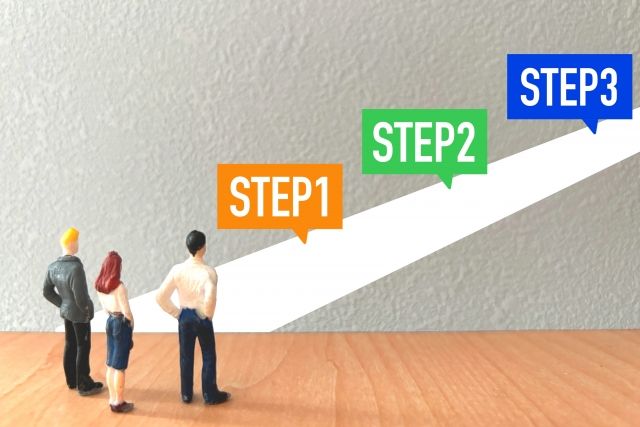
Different methods suit different companies. Use this process to choose and run your campaign.
Step 1: Define the Audience and Suitable Methods
Start by defining the target audience.
For an internal training event, it might be junior employees below management level. For a cosmetics presentation, it might be women in their twenties interested in beauty. Different groups respond to different keywords.
Then choose methods suited to that group. Social media may work for younger audiences, while press releases and newsletters may suit business audiences.
A poor match between the audience and promotion method makes it harder to attract people.
Step 2: Set a Budget
Decide how much you can spend.
If you have past campaign data, use conversion rates to estimate attendance and work back to a budget.
For a first campaign, use typical costs as a reference. For example, 500 participants paying ¥1,000 each would generate ¥500,000. If you want ¥200,000 profit, deduct that and operating expenses to determine the amount available for promotion.
If the advertising budget is ¥100,000 and video views cost around ¥5–¥10 each, ¥100,000 divided by ¥10 suggests roughly 10,000 views.
Set an upper limit before starting, because overspending reduces profitability.
Step 3: Begin Promotion
Start once the plan is ready.
Allow enough time—around two to three months where appropriate—so that you can switch methods if one does not work.
Prepare several options rather than assuming one method will succeed.
Step 4: Monitor Results Until the Event
Track results throughout the campaign.
Search advertising can show clicks and conversions. Social media and newsletters also provide data for analysis.
Use the numbers to judge whether promotion is working, and continue monitoring through the event date.
Step 5: Analyze Cost-effectiveness and Apply What You Learn
The data can improve future events.
A post-event survey can identify participant demographics and how they heard about the event. If one channel brought many people, you can prioritize it next time.
Retain the information so your promotion knowledge grows over time.
Tips for More Effective Promotion

A planned approach can improve attendance. Consider these four tips.
1. Define Personas and Needs
Make the target attendee concrete.
For a business webinar about operational efficiency:
- A manager authorized to introduce new software.
- Someone dealing with staff shortages who wants to reduce individual workloads.
- Someone looking for information to support software adoption.
For an online first-person-shooter tournament:
- Someone who wants to watch well-known players from social media or streaming platforms.
- A player who wants to learn from professionals.
- Someone who enjoys exchanging comments with other viewers.
Understanding those needs makes it easier to choose relevant language and messages. It supports both the event itself and its promotion.
2. Explain the Benefits of Attending
Clearly state what participants will gain.
For a business webinar, that may be practical knowledge they can apply at work.
People want to know how attending will help them, so every promotional channel should communicate the benefit.
3. Keep the Registration Form Simple
Too many fields, especially required ones, can cause people to abandon registration.
For a typical event, a simple form asking for a name and contact details may be enough. Events with stricter identity or information requirements may need more.
4. Make Good Use of Free Methods
Use options such as:
- Website announcements and social media posts.
- Newsletters.
- Free press-release services.
These can keep event costs down. Social sharing can be particularly cost-effective.
Conclusion: Consider CommentScreen for Event Operations and Promotion
This article has covered promotion ideas, a practical process, and tips for attracting participants.
Using the right combination can help fill your event.
If you lack experience and are unsure which methods suit your company, professional advice can help.
Contact us for support with planning, promotion, and introducing event tools.